How FashionHistCore Teaches
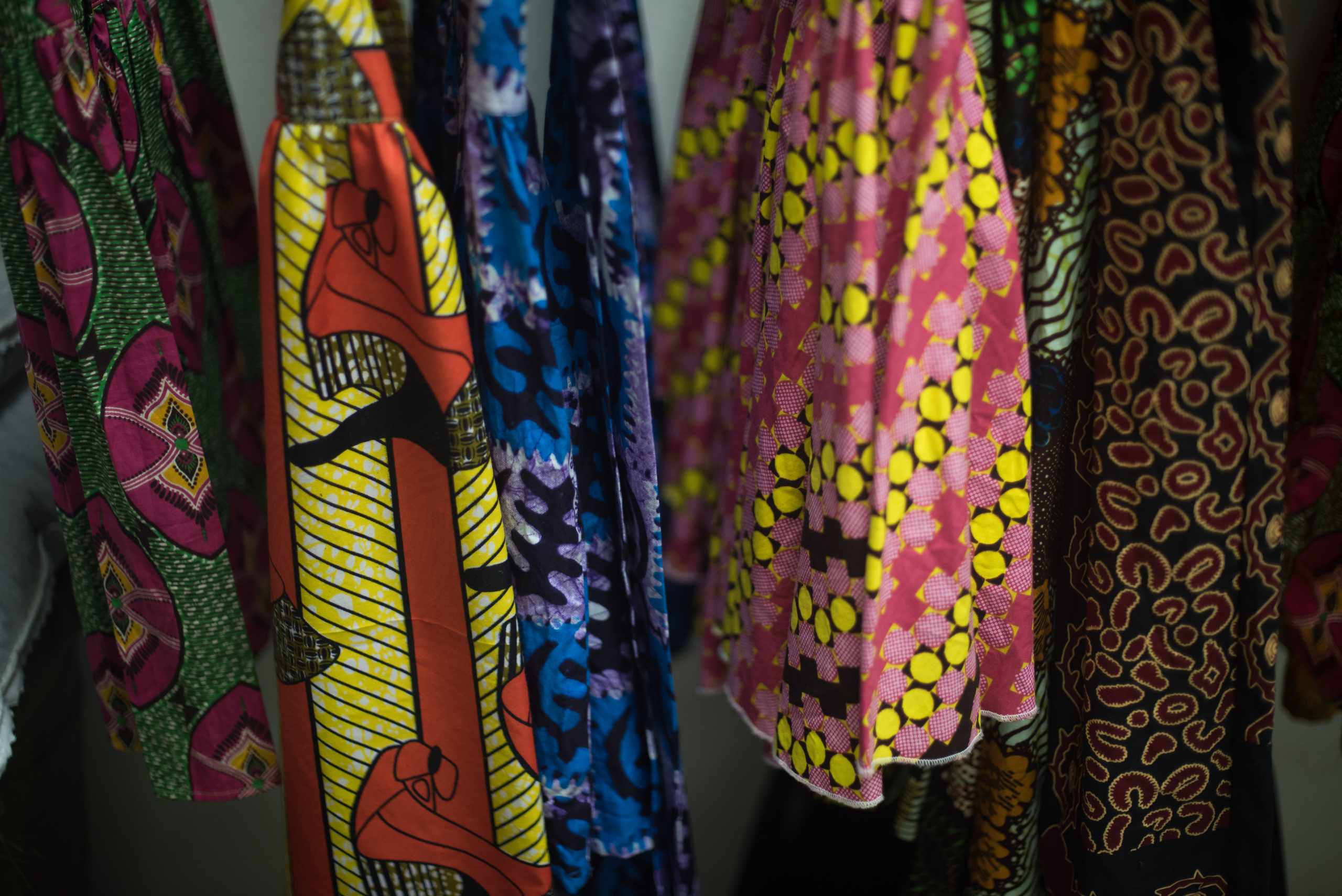
Observation Before Memorization
FashionHistCore is built for learners who want to understand historical dress without guessing from vague impressions. The course begins with visible clues: silhouette, waistline, sleeve shape, skirt volume, fabric, trim, and accessories.
Fashion History With Evidence
Instead of treating clothing as costume fantasy, the course uses portraits, fashion plates, catalog pages, museum labels, and historic photographs as study material. You learn to ask what each source shows clearly and what still needs careful context.
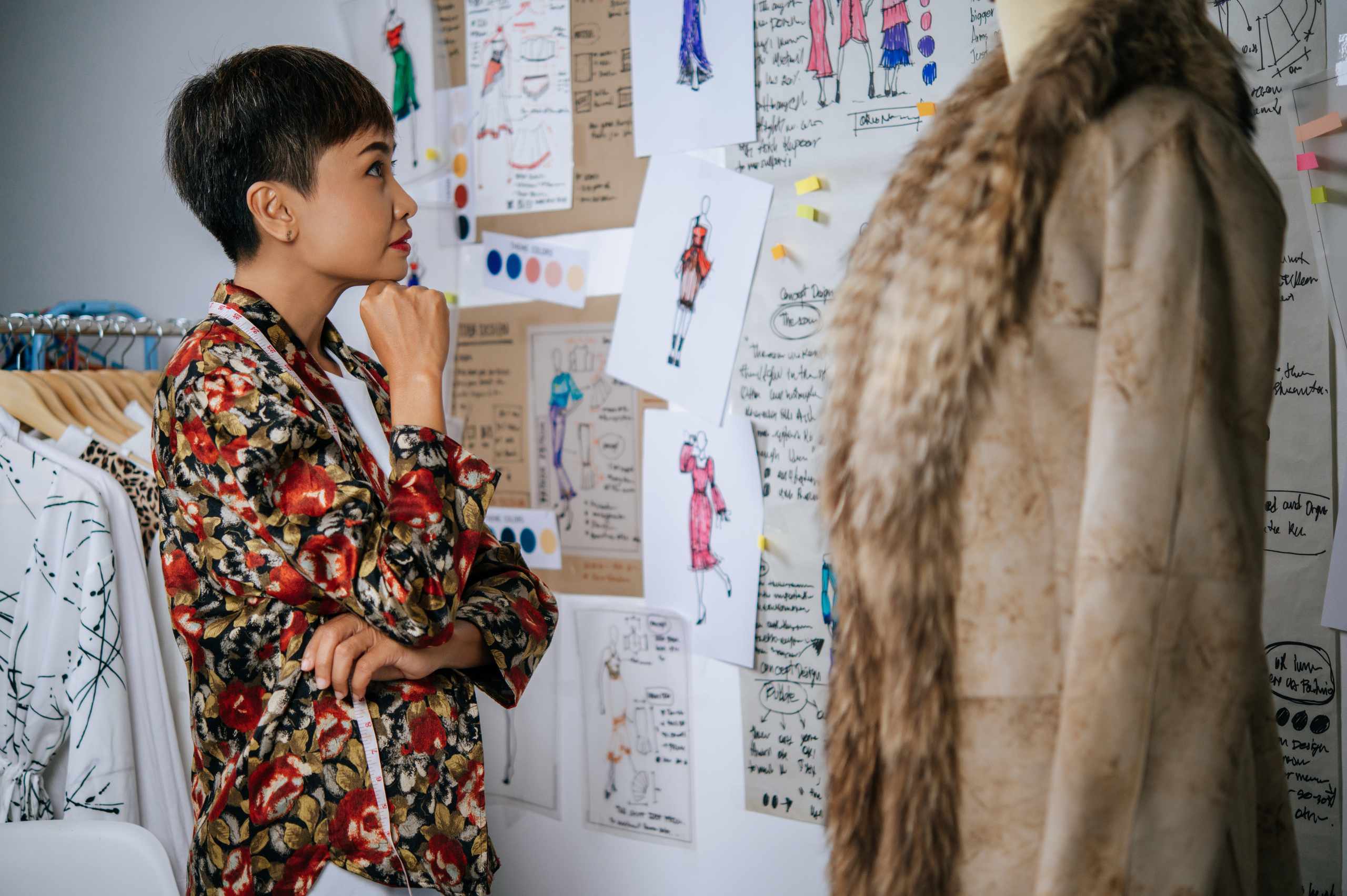
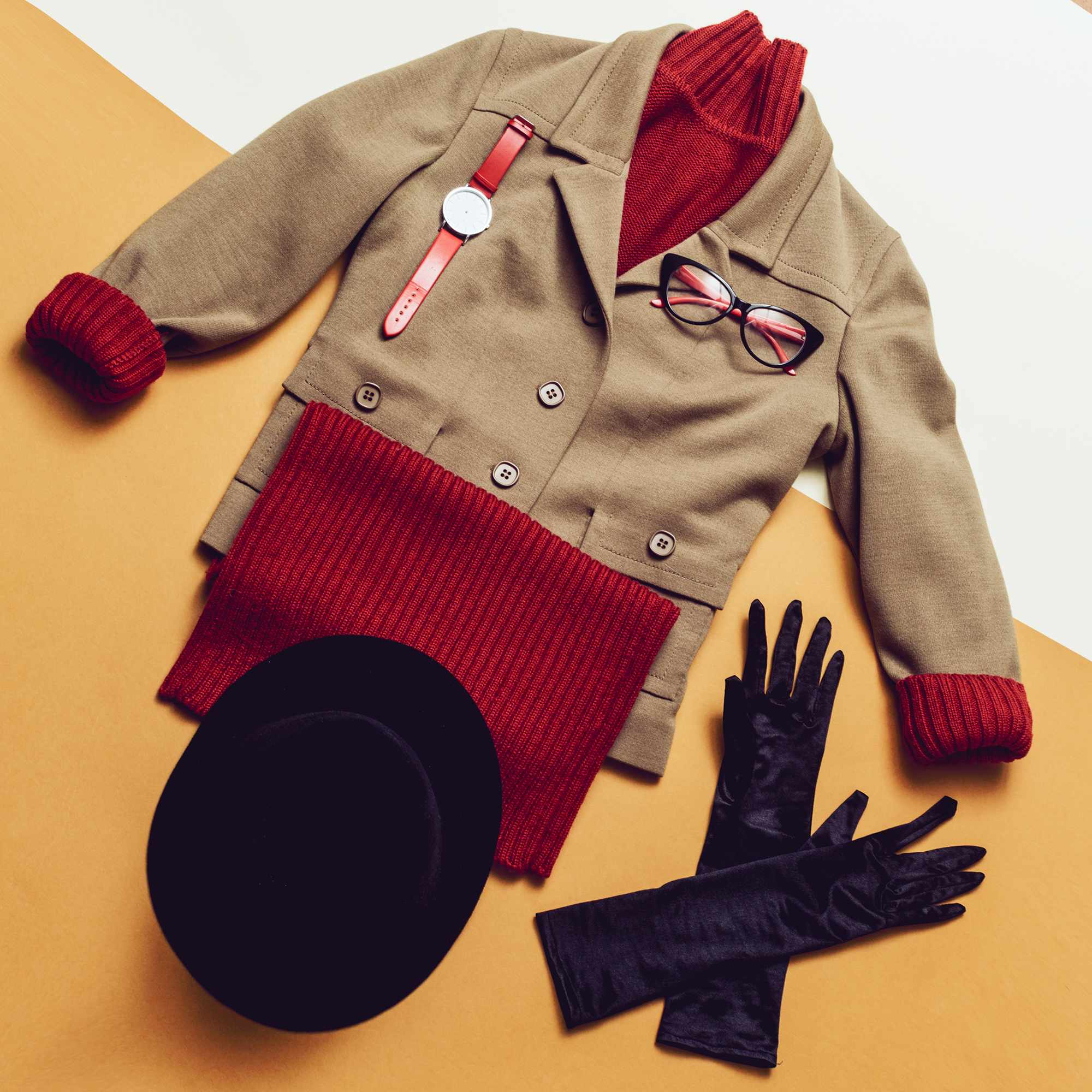
Look Closely First
Learners practice carefully describing visible garment shape and structure before adding a period label.
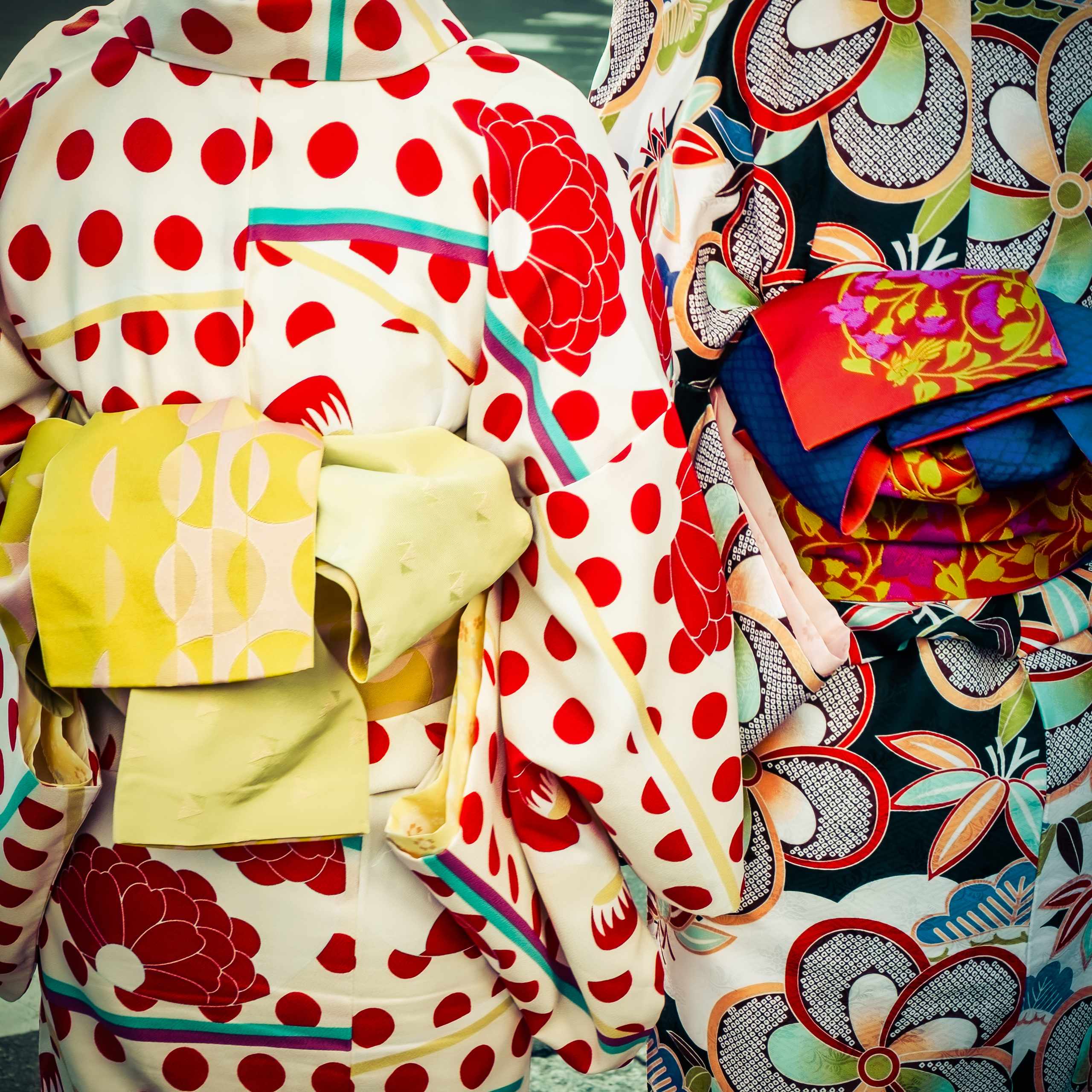
Compare Nearby Periods
Side-by-side image work makes bustles, crinolines, tailoring, hems, and sleeve changes easier to notice.
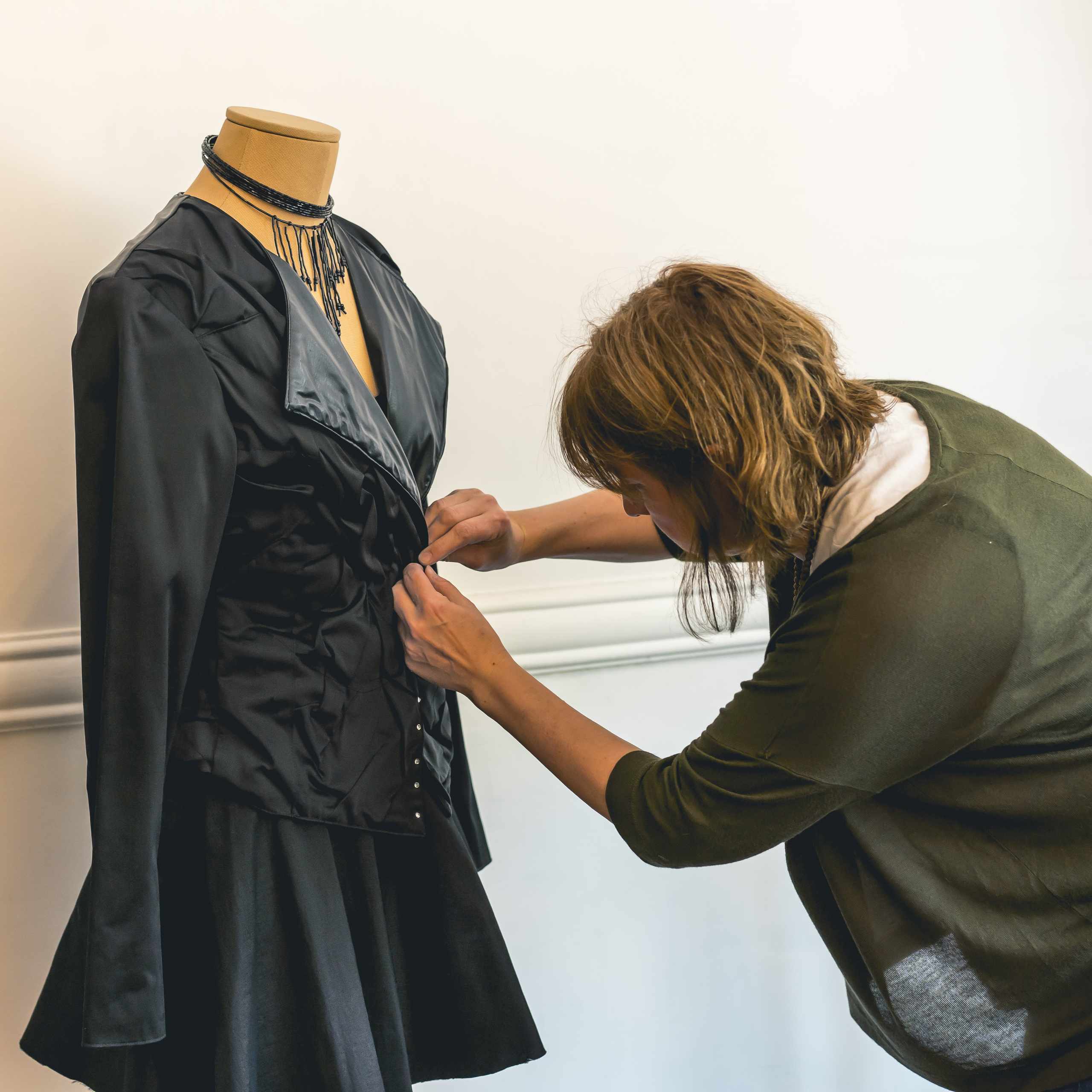
Name Details Clearly
Vocabulary practice helps replace broad labels like vintage or fancy with specific garment terms.
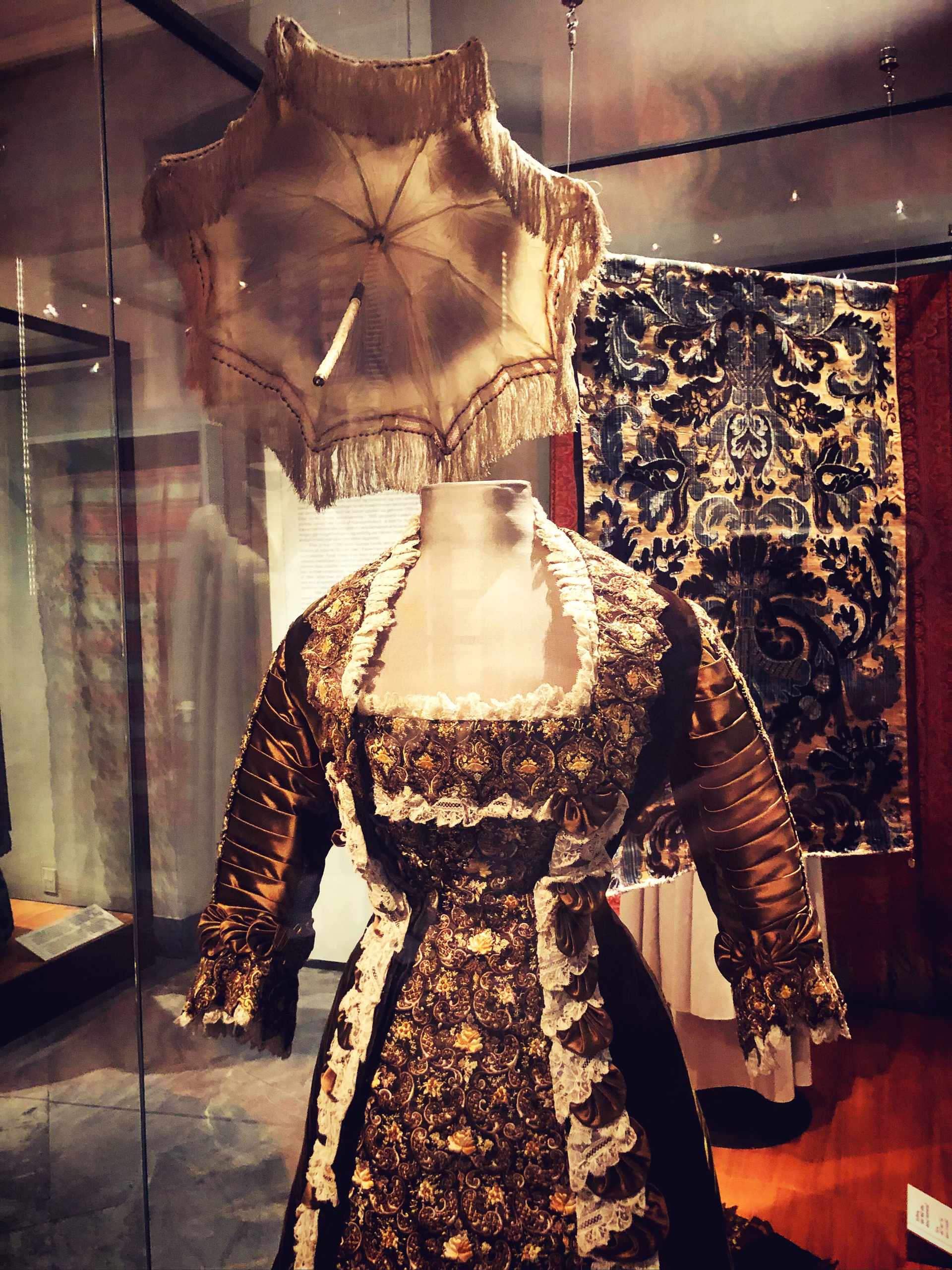
Timeline Practice
Build a simple fashion history timeline using one clear silhouette clue for each period studied.
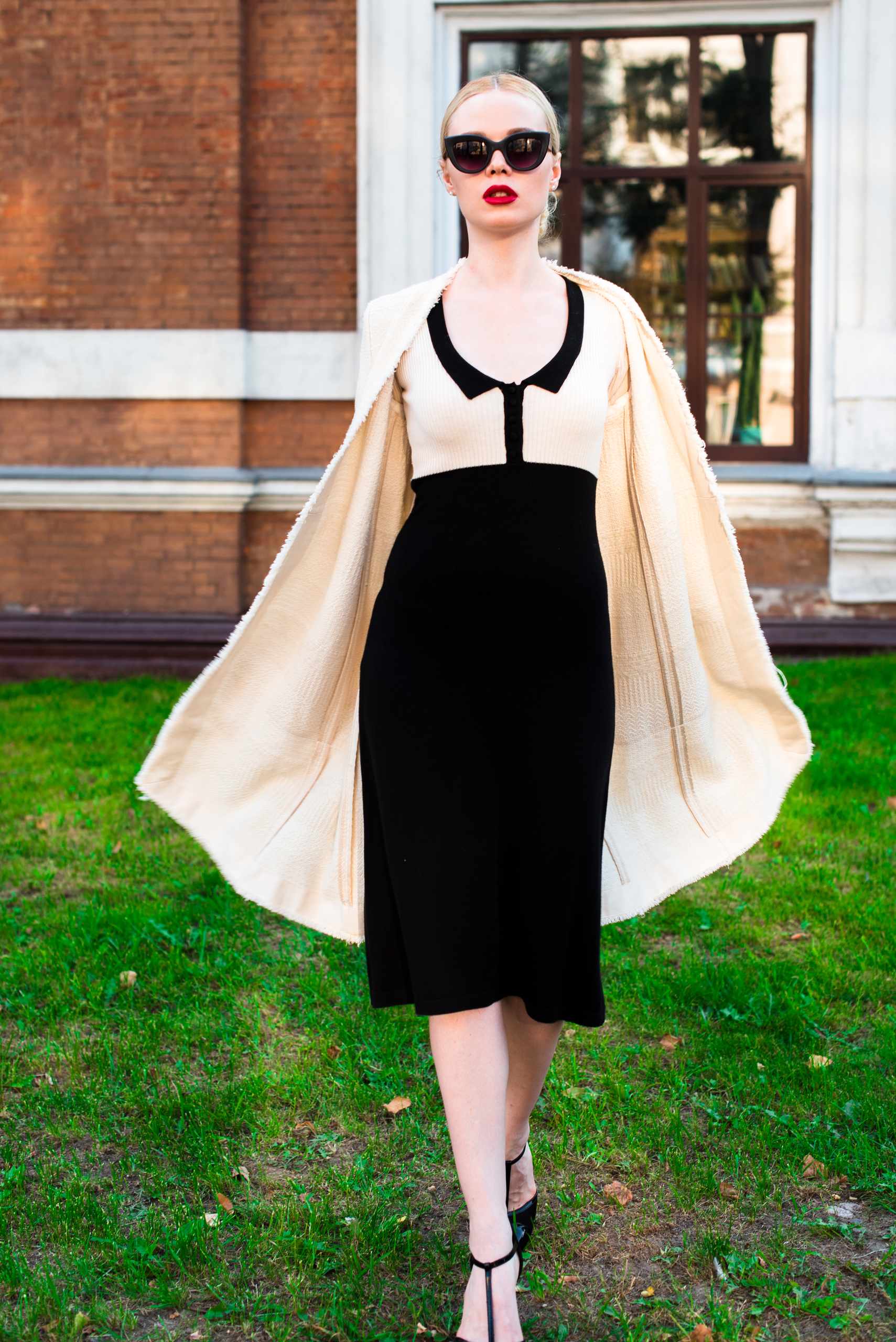
Source Reading
Turn museum labels, image captions, and catalog notes into plain language you can review.

Garment Clue Sorting
Sort unlabeled images by waistline, skirt volume, sleeve shape, fabric, and accessory clues.
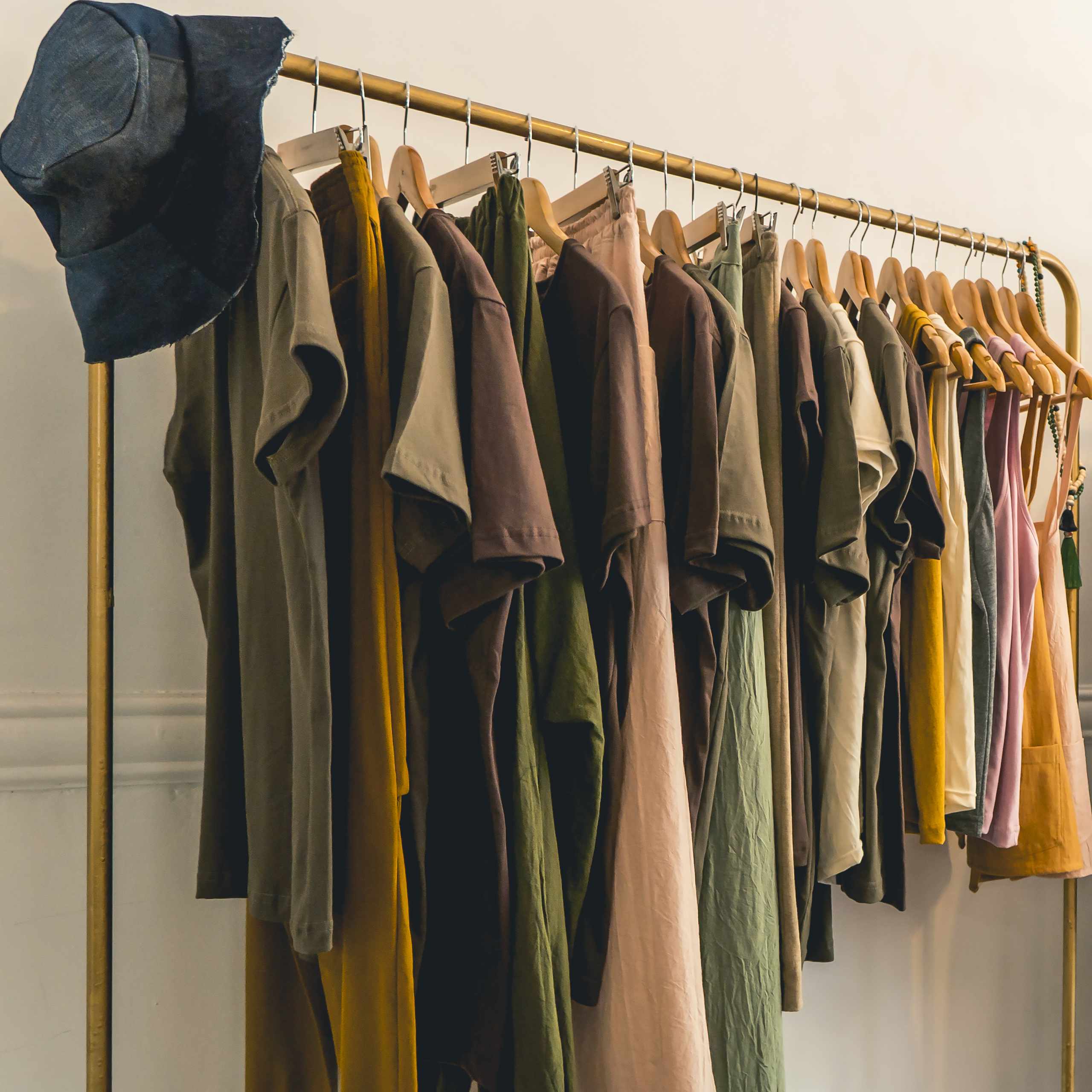
A Practical Way To Study Dress
FashionHistCore treats clothing as material culture, not just decoration. A dress, coat, hat, glove, or catalog illustration can point toward technology, social setting, work, class, daily life, and changing ideas of appearance. The course keeps that context accessible by linking each idea to visible garment details.
Progress is built through repeated looking, careful comparison, and short note-making. You practice matching garment terms to images, rewriting museum object notes in simpler language, and revisiting confusing periods side by side. The aim is not instant expertise, but a steadier way to read fashion history with clearer vocabulary and better visual attention.