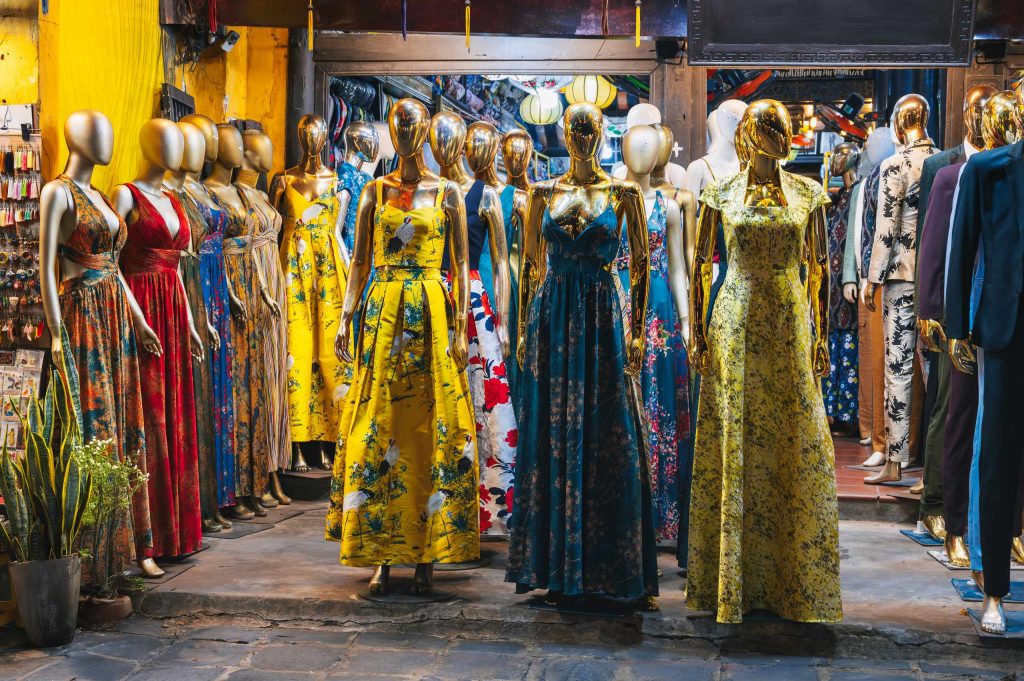
FashionHistCore
Study fashion history through silhouettes, fabrics, garment details, and period clues. This beginner course helps
you read portraits, fashion plates, catalog pages, and museum notes with clearer eyes.
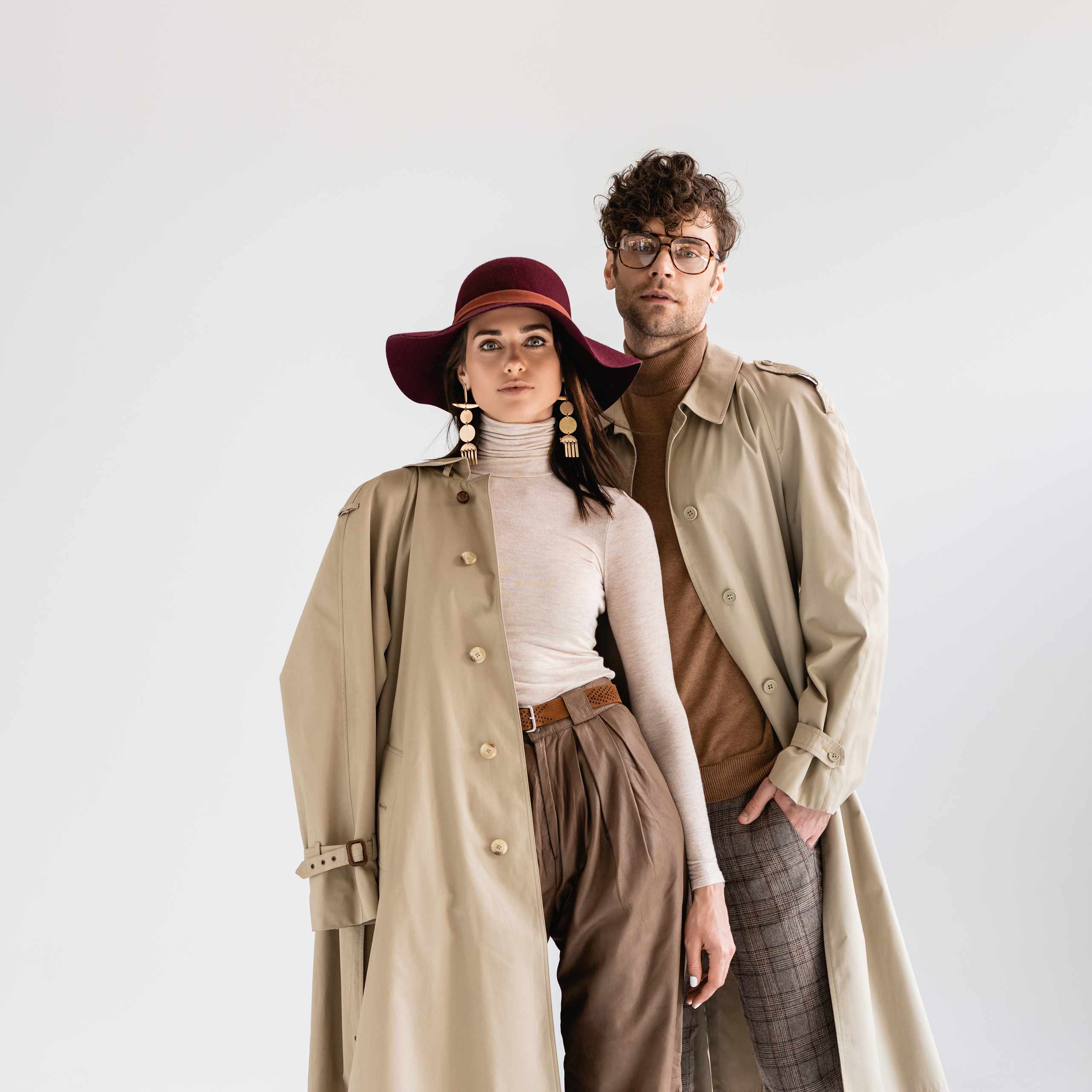
Read Shape First
Learn to notice waistline, sleeve shape, skirt volume, and bodice structure before judging color, trim, or decoration.

Compare Period Clues
Place nearby decades side by side so crinolines, bustles, tailoring, hems, and accessories become easier to separate.

Use Better Vocabulary
Practice describing garments with words like silhouette, stays, drapery, millinery, textile, trim, and ready-to-wear.
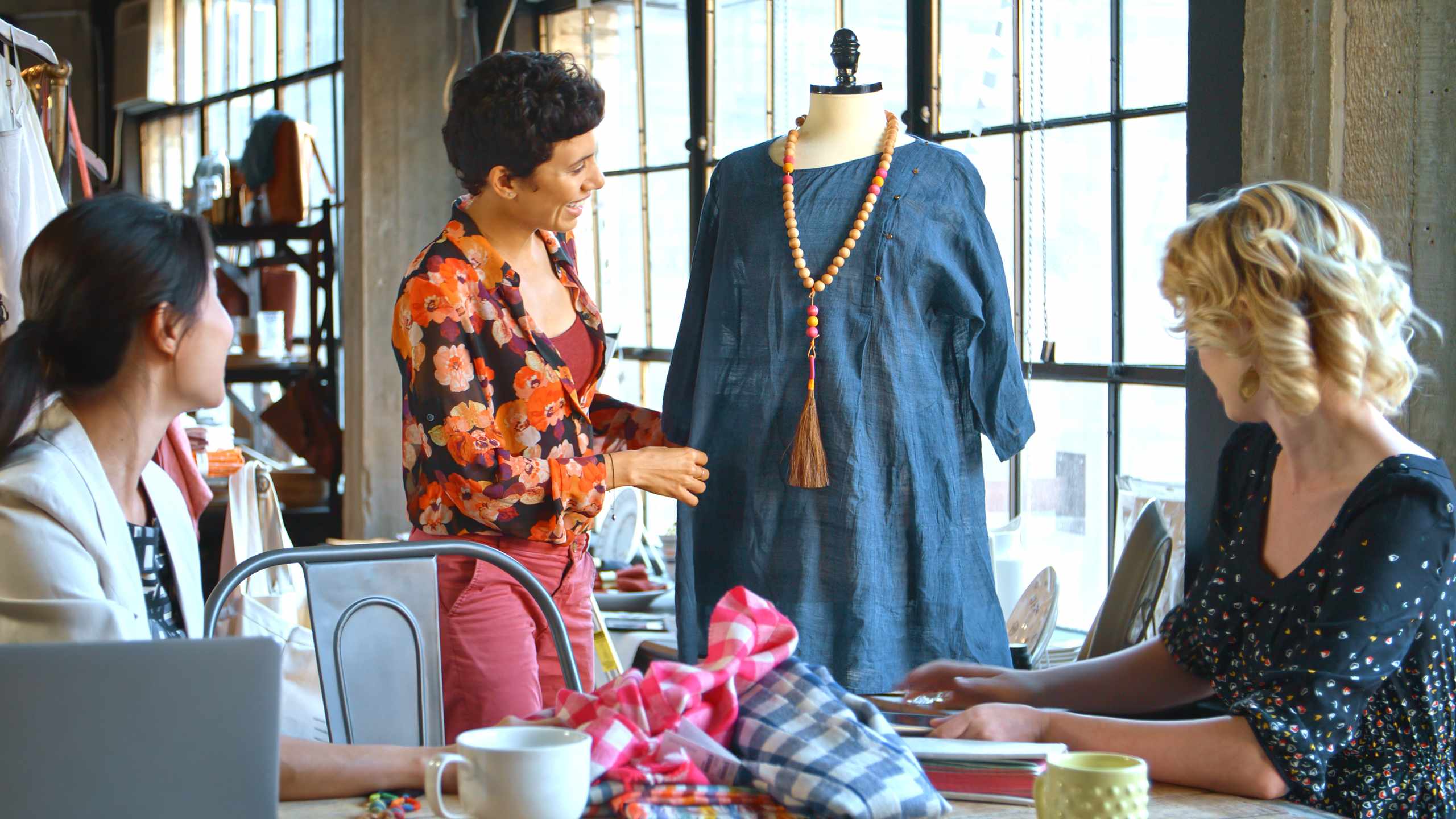
Silhouette Before Date
Instead of memorizing dates first, study the visible shape of a garment. A changed waistline, sleeve, skirt width, or corset line can give you a stronger starting clue.
Images As Evidence
Work with fashion plates, portraits, museum labels, catalog scans, and historic photographs while learning what each source can show clearly and what it may leave out.

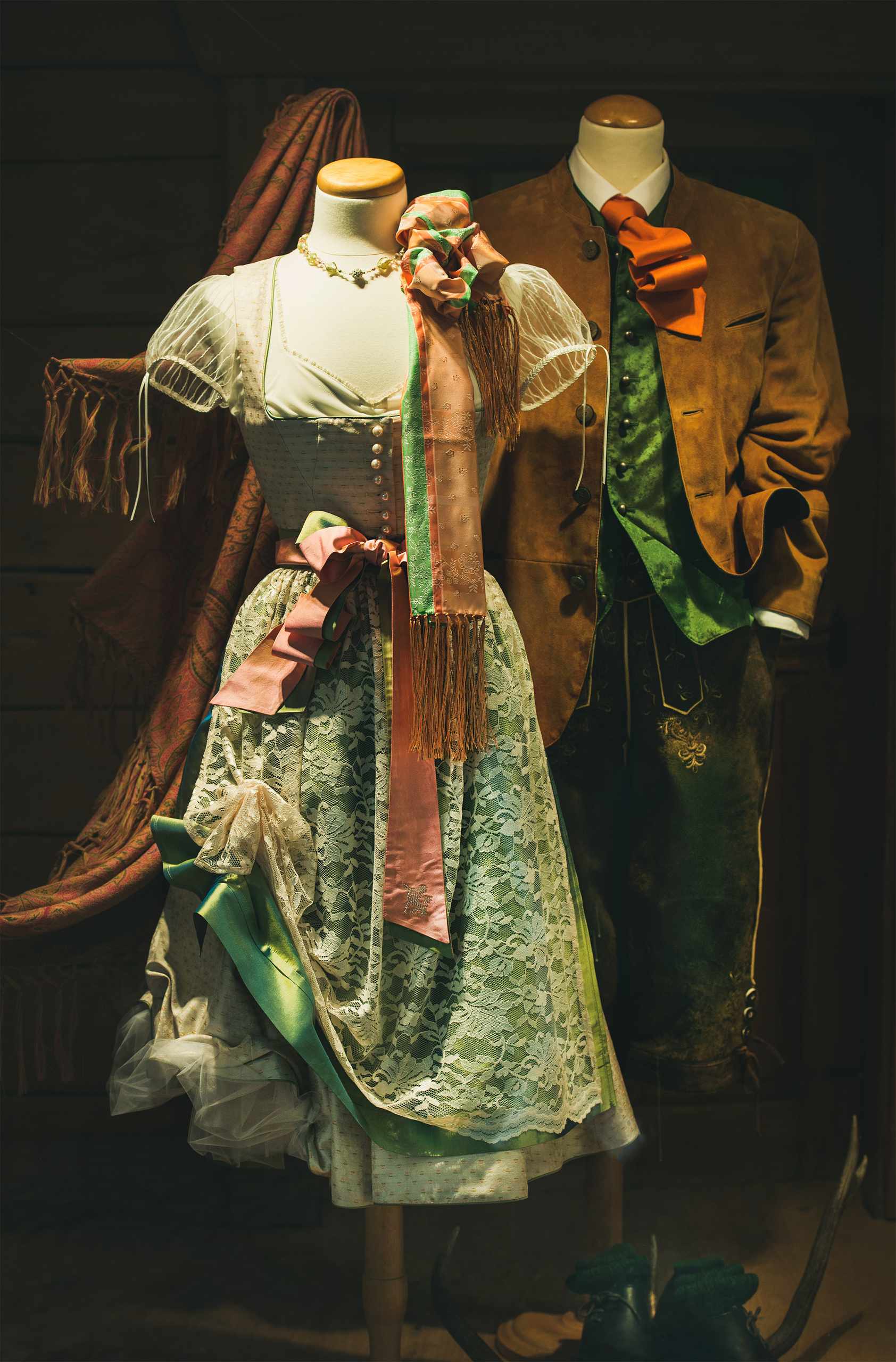
What Makes This Course Practical
Observation Before Guessing
Timelines You Can Read
Clear Notes From Sources

I used to call almost every old dress Victorian. The course helped me slow down and look at the waistline, sleeves, and skirt shape first.
Ibuki Deguchi

The image comparisons made fashion periods much less confusing. I started noticing bustles, crinolines, and tailoring instead of only looking at decoration.
Itsuki Kurosawa

Museum labels were hard for me before. Now I can pull out the garment terms, write clearer notes, and compare pieces with more care.
Ichika Iwata
Ask Before You Begin
Not sure whether to start with timelines, garment terms, or image comparison?
Ask about the course format, study pace, and first fashion history practice step.